Is Street Photography a Recognised Art Form?
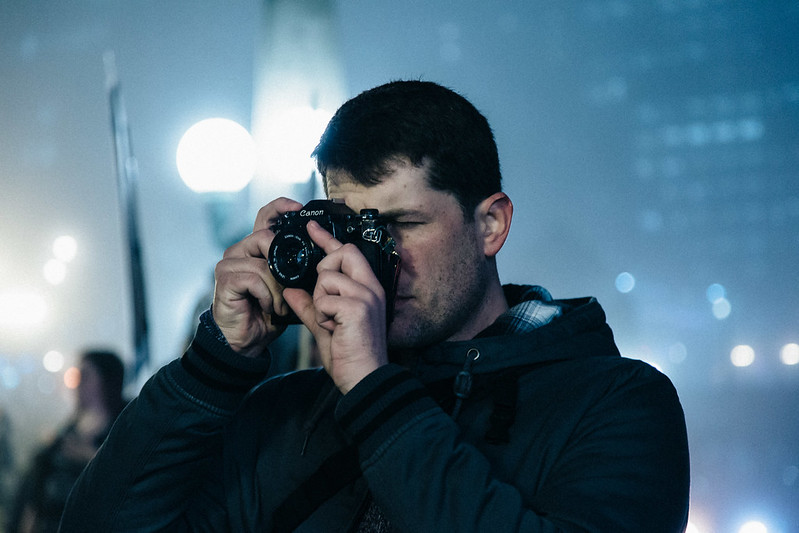
Yes, street photography is indeed a recognised art form. It involves capturing candid moments of life in public spaces, often focusing on everyday scenes, people, and environments. The practice dates back to the early days of photography and has been an important part of documenting urban life and culture.
Key Aspects of Street Photography:
- Candidness: Street photography typically involves capturing unposed, spontaneous moments. The aim is to capture the authenticity of a scene without the subjects being aware they are being photographed.
- Public Spaces: The genre is usually practiced in public areas like streets, parks, and markets, where photographers can observe and capture life as it happens.
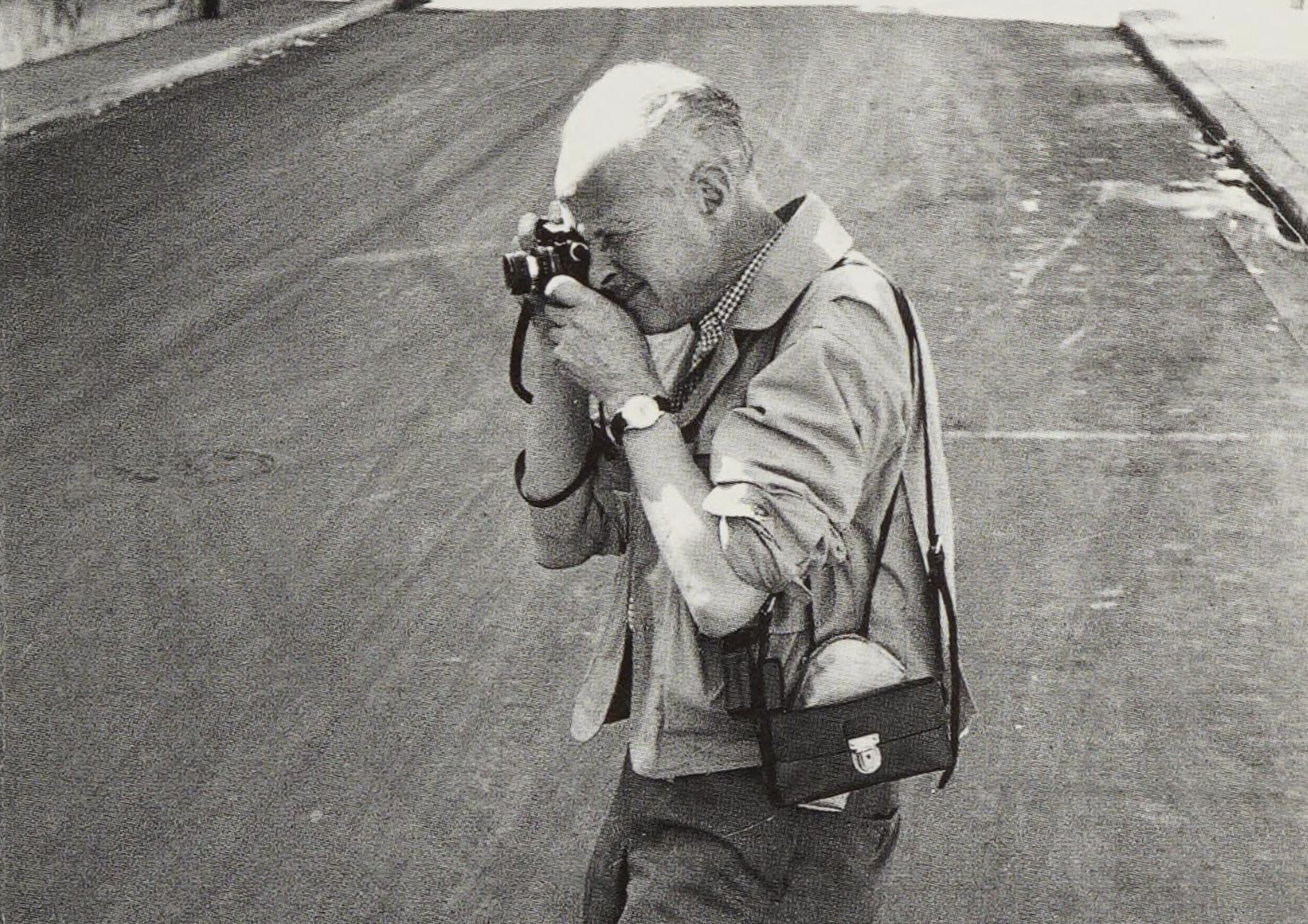
- Historical Significance: Many renowned photographers, such as Henri Cartier-Bresson, Robert Frank, and Vivian Maier, have contributed to the development of street photography. Their work offers invaluable insights into the social and cultural dynamics of their times.
- Artistic Value: Street photography is appreciated for its ability to convey the emotions, stories, and atmosphere of a place or time. It often focuses on the beauty of the mundane, finding art in everyday life.
Legal and Ethical Considerations:
While street photography is a legitimate and respected art form, it raises questions about privacy and consent, especially in today's digital age where images can be widely shared. Different countries have varying laws regarding the photographing of people in public places, but generally, it is legal as long as the photographer is in a public space. However, ethical considerations, such as respecting the dignity and privacy of the subjects, remain important.