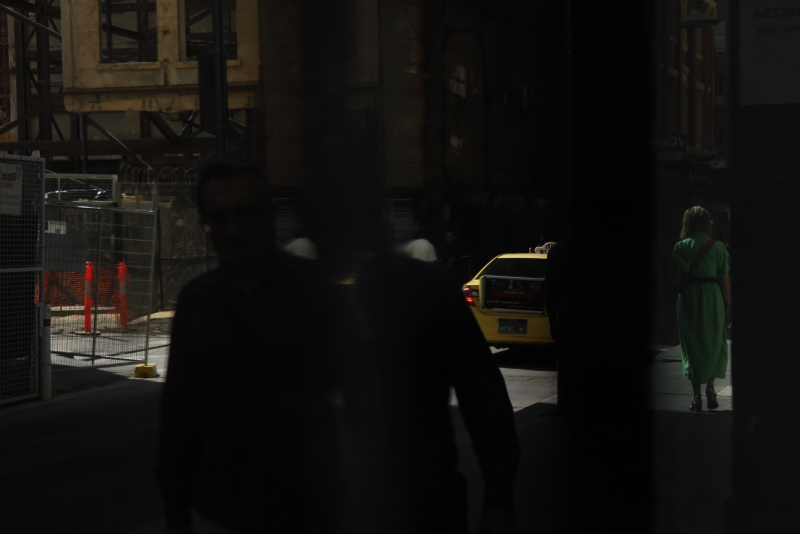
Why Is Street Photography so Difficult?
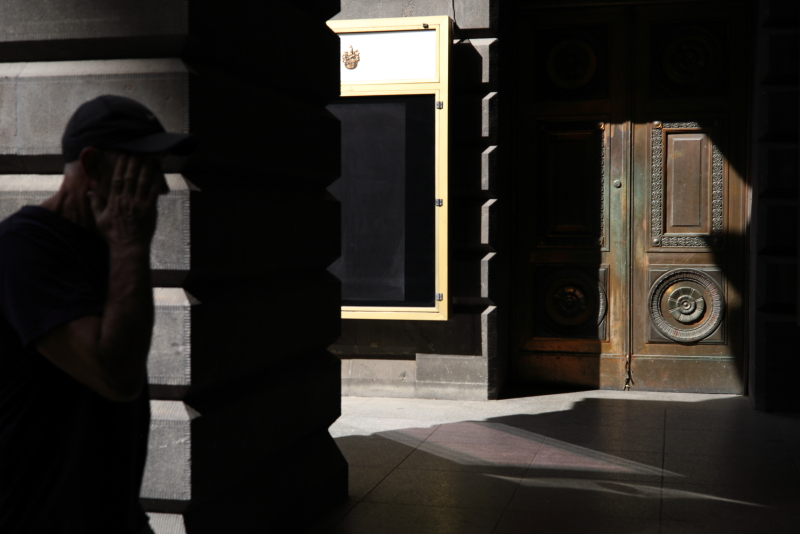
Street photography can be challenging for several reasons, which contribute to its allure and the sense of accomplishment for those who pursue it.
key reasons why street photography is considered difficult.
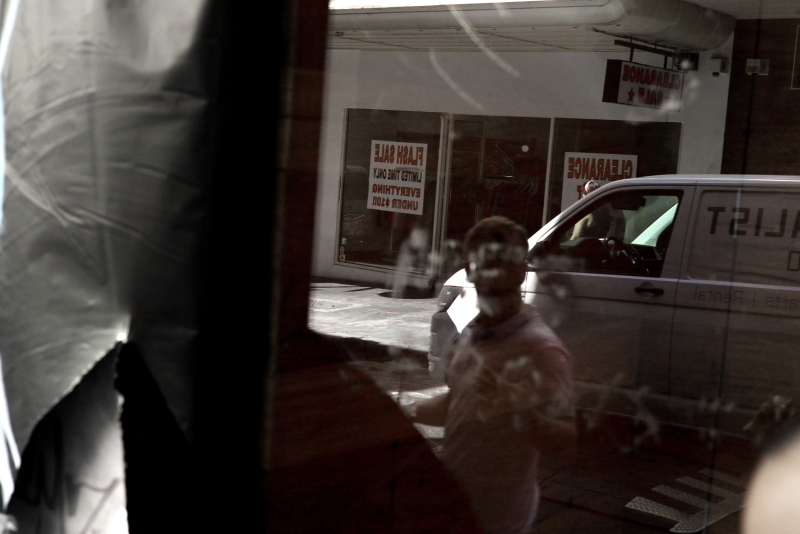
Unpredictability:
Life on the streets is highly unpredictable. You have no control over the people, events, or lighting conditions you encounter. Capturing the right moment or scene can require patience and quick reflexes.
Candid Nature:
Street photography emphasises candid, unposed moments. This means you must photograph people and scenes without their knowledge or consent, which can feel intrusive or uncomfortable for some photographers.
Composition on the Fly:
Street photographers must make quick decisions about composition, framing, and perspective. They often have only seconds to capture a compelling image, which requires a strong understanding of photographic principles.
Lighting Challenges:
Outdoor lighting can be harsh and variable. Dealing with harsh sunlight, shadows, or rapidly changing weather conditions requires adaptability and skill in working with available light.
Public Spaces:
While public spaces offer freedom to photograph, they also present ethical and legal considerations. Knowing your rights and respecting the privacy and comfort of your subjects is crucial.
Emotion and Storytelling:
Street photography often aims to convey emotions, stories, or messages. It can be challenging to encapsulate a narrative or evoke a particular feeling in a single frame.
Overcoming Fear and Shyness:
Approaching strangers or entering unfamiliar situations can be intimidating. Many street photographers need to overcome their fear of rejection or confrontation.
Timing and the Decisive Moment:
Capturing the "decisive moment" (a concept popularized by Henri Cartier-Bresson) requires impeccable timing. Recognizing when all elements align for a compelling image is an art in itself.
Adaptation to Gear:
Street photographers often use small, inconspicuous cameras or smartphones to avoid drawing attention to themselves. Learning to work with limited gear and settings is essential.
Selective Vision:
In a bustling urban environment, it's easy to become overwhelmed by stimuli. Street photographers must learn to focus their attention on the most interesting and relevant subjects and scenes.
Critique and Self-Doubt:
Street photography is highly subjective, and what works for one person may not resonate with others. Dealing with self-doubt, criticism, and the pursuit of a unique style can be challenging.
Consistency and Patience:
Developing a strong body of work in street photography often requires time and consistency. Finding your style and vision can be a long-term journey.
Despite these challenges, street photography is also incredibly rewarding. It allows photographers to document life, culture, and society in a unique and authentic way. It encourages creativity, observation, and the development of a keen eye for detail. Overcoming the difficulties in street photography can lead to personal growth and the creation of compelling and evocative images that tell powerful stories about the world we live in.