Melbourne Street Photography: Is This The Right Way?
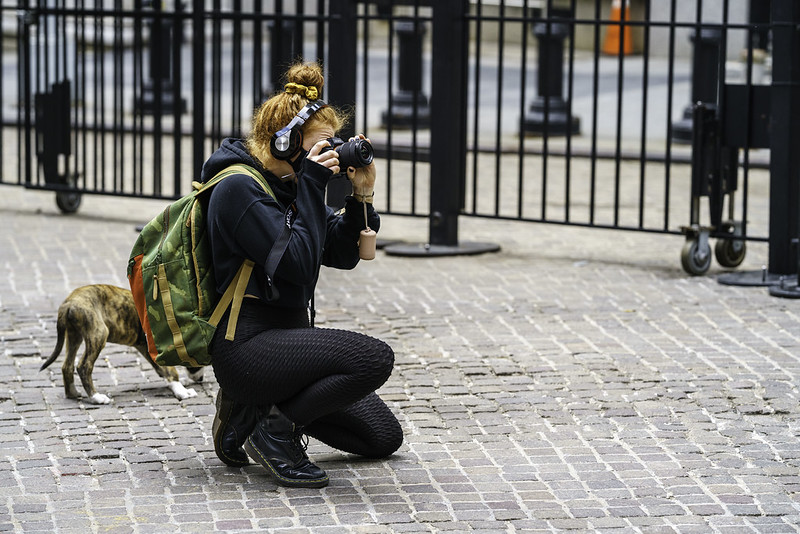
The situation in this reddit post raises several important ethical and legal issues, particularly concerning street photography, consent, and defamation.
This Melbourne street photographer/pervert just seemingly filmed and photographed a stranger because of his appearance and plastered it on the internet with the accusation that he is a n*zi. (Is that not defamation?) My partner and I have also had our image taken without consent by this guy. He stands at flinders street station in all black with his camera very close to his chest, so you do not notice until he’s already taken your photo. And by that point he runs away like a coward. He finally came up on my tiktok feed and I recognised him immediately. This isn’t street photography, this is harassment. No one deserves to have their image posted on the internet with wild assumptions about them.
taken from Reddit

1. Street Photography and Consent
- Street Photography is a recognised art form where photographers capture candid moments in public spaces. While it's generally legal to photograph people in public places in many countries, including Australia, ethical concerns arise when individuals are photographed without their consent, especially if the images are used in a way that could harm the subjects.
- Consent becomes particularly important when the images are shared online. Even if it's legal to take someone's photo in public, posting it without consent, especially in a derogatory or defamatory context, can lead to significant harm to the person's reputation and well-being.
2. Defamation Concerns
- Defamation occurs when someone makes a false statement about another person that damages their reputation. Accusing someone of being a "n*zi" without any factual basis could easily be considered defamatory, especially if the accusation is made publicly.
- In this context, the street photographer's actions could be legally questionable. If they are making false and damaging accusations against individuals in their photographs, they could potentially face legal consequences for defamation.
3. Harassment and Ethical Concerns
- Harassment in this context refers to the repeated and unwanted photographing of individuals in a way that causes distress or fear. If the photographer is intentionally capturing images of people without their consent, and then using those images to make baseless accusations, it could be seen as a form of harassment.
- The behavior described—taking photos surreptitiously and then running away—suggests an awareness that the actions might not be welcomed by those being photographed. This further supports the view that the actions could be seen as unethical and invasive.
4. Social Media and Public Shaming
- Social Media has made it easier for individuals to publicly share images and opinions. However, it also means that harmful content can spread rapidly, leading to public shaming and severe consequences for those targeted. The photographer’s actions, if they involve unfounded accusations, could lead to unjust harm to the individuals photographed.
Conclusion
The behaviour described in the comment you shared crosses several ethical boundaries and could potentially be illegal, depending on the circumstances. While street photography is a legitimate art form, it should be practiced with respect for the subjects' privacy and dignity. Posting images online with defamatory accusations not only risks legal action but also constitutes an unethical misuse of photography. It might be advisable for those affected to seek legal advice if they believe their rights have been violated.